Can Autism Symptoms Change With Age? Understanding Development From Childhood to Adulthood
-
by
Approach
- No Comments on Can Autism Symptoms Change With Age? Understanding Development From Childhood to Adulthood
Autism is a lifelong neurodevelopmental condition that influences communication, social interaction, sensory experiences and behaviour. However, the way autism presents can change as a person grows, learns and experiences different environments. Autism Symptoms Change With Age because developmental stages, individual abilities, life experiences and support needs evolve over time. Some characteristics may become less noticeable, while others may become more apparent during adolescence or adulthood. Understanding these changes helps parents, educators and caregivers provide appropriate support throughout childhood, teenage years and adult life.
Understanding Autism and How It Develops Over Time
Autism spectrum disorder is a neurodevelopmental condition that affects how individuals communicate, interact with others, process information and experience their surroundings. It is called a spectrum because every autistic person has a different combination of strengths, preferences and support needs.
Autism does not disappear as someone grows older. However, communication abilities, independence, emotional regulation and everyday behaviour can develop through learning, experience and appropriate support.
Autism development from childhood to adulthood involves different milestones and challenges. A young child may need help with communication and daily routines, while an adult may focus on employment, relationships, independent living and community participation.
Understanding autism as a lifelong developmental journey helps families look beyond childhood milestones and recognise the importance of continued learning and inclusion.
Can Autism Symptoms Change as a Person Gets Older?
Yes, autism-related characteristics and their impact on daily life can change with age. However, this does not mean that autism itself develops into a different condition or disappears.
For example, a child who initially communicates through gestures or limited speech may develop stronger communication skills through learning and suitable support. An individual who finds social situations difficult may gradually learn strategies for conversations, relationships and group activities.
Some challenges may become more noticeable when environmental expectations increase. A teenager may find social relationships more complicated, while an adult may experience difficulties managing workplace communication or independent responsibilities.
Changes can also occur because individuals learn coping strategies, understand their preferences and become better at communicating their needs. Therefore, how autism changes with age depends on personal development, surroundings and available support rather than following one fixed pattern.
How Autism Symptoms May Differ at Different Ages
The signs and everyday experiences of autism can look different during childhood, adolescence and adulthood. Understanding these developmental stages helps families recognise changing needs without comparing individuals against a single standard.
Early Signs of Autism in Childhood
Autism characteristics may become noticeable during early childhood, although the timing and presentation vary. Some children may show differences in social communication, shared attention, play patterns and responses to sensory information.
Common early signs include limited use of gestures, differences in responding to their name, delayed spoken language, repetitive movements and strong preferences for familiar routines. Some children may also show intense interest in particular objects or activities.
Early identification can help families understand their child’s developmental profile and explore appropriate support. Communication opportunities, structured learning, play-based activities and daily living skills can encourage participation and development.
Parents should remember that children develop at different rates. A professional developmental assessment is important when concerns arise.
Autism Symptoms During Teenage Years
Adolescence introduces new social, emotional and academic expectations. Teenagers may experience more complicated friendships, changing routines, increased independence and greater awareness of social differences.
Some autistic teenagers may find group conversations, unfamiliar social situations and changes in school expectations difficult. Sensory sensitivities can also affect participation in crowded classrooms, public transport and social gatherings.
Teenagers may develop stronger communication and self-awareness skills but still need support with emotional regulation, organisation and decision-making.
Encouraging self-advocacy is particularly valuable during this stage. Teenagers should have opportunities to express their preferences, understand their strengths and participate in decisions affecting their daily lives.
Autism Symptoms and Experiences in Adulthood
The autism symptoms in adults may be different from the challenges commonly recognised during childhood. Adults may have developed communication strategies and coping mechanisms that make certain characteristics less noticeable.
However, workplace expectations, relationships, financial responsibilities and independent living can introduce new difficulties. Some adults may find it challenging to manage unexpected changes, interpret indirect communication or navigate busy environments.
Other adults may have strong professional skills, specialised interests, creative abilities and effective problem-solving approaches. Their support needs can vary significantly.
Understanding adult experiences means recognising both strengths and challenges rather than assuming that an individual no longer needs support because they have reached adulthood.
What Factors Influence Changes in Autism Symptoms?
Several factors influence how autism characteristics are experienced over time. These factors do not change a person’s identity but can affect their abilities, comfort and participation in everyday activities.
Brain Development and Individual Differences
Brain development continues through childhood, adolescence and adulthood. Learning, memory, attention, communication and emotional regulation can develop with experience and practice.
However, every autistic individual has a different developmental profile. Some may develop spoken communication earlier, while others may use alternative communication methods throughout life.
Personal strengths, learning preferences and developmental differences influence how individuals respond to different situations. There is no universal timeline for acquiring particular skills.
Environmental Changes and Sensory Experiences
Environmental conditions can strongly influence everyday experiences. A child may feel comfortable in a familiar classroom but struggle in a noisy school environment.
Similarly, an adult may manage daily responsibilities comfortably at home but experience difficulties in crowded workplaces or unfamiliar public spaces.
Changes in lighting, noise, routines, social expectations and sensory demands can affect concentration and emotional comfort. Predictable environments and reasonable adjustments can help individuals participate more confidently.
Support, Therapy, and Learned Coping Skills
Appropriate support can help autistic individuals develop communication, social interaction, self-care and practical life skills.
Learning opportunities may include structured activities, communication support, vocational training, daily living practice and opportunities to participate in community settings.
Approach Autism Society focuses on practical skill development, expressive activities, independent living training and employment initiatives. Its approach recognises that meaningful opportunities should continue beyond childhood.
The goal is not to make every individual behave in the same way. Support should encourage personal strengths, independence, dignity and meaningful participation according to individual abilities.
Common Challenges Autistic Adults May Experience
Adulthood brings responsibilities that may require different forms of support. Recognising these challenges helps families and communities create opportunities for inclusion.
Social Communication and Relationships
Some autistic adults may find indirect communication, unfamiliar conversations, social expectations and relationship-building challenging.
They may prefer clear language, predictable communication and meaningful conversations around familiar interests. Others may communicate comfortably but need additional time to process information or respond.
Respecting communication preferences and avoiding unnecessary social pressure can help build stronger relationships.
Sensory Sensitivities and Emotional Regulation
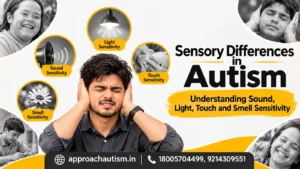
Bright lighting, background noise, crowded spaces and unexpected changes may affect comfort and concentration.
Adults may also experience difficulty managing stress when several demands occur together. Recognising early signs of discomfort and allowing appropriate breaks can support emotional regulation.
Practical adjustments, predictable routines and supportive communication can make everyday environments more accessible.
How Can Families Support Autistic Individuals as They Age?
Family support remains important throughout life, although the type of assistance may change. During childhood, families may focus on communication, learning and daily routines. During adolescence, support may involve self-awareness, decision-making and social participation. In adulthood, employment, independent living and community inclusion may become priorities.
Families can support development by:
- Recognising individual strengths, interests and preferences.
- Encouraging communication through suitable methods.
- Providing opportunities to practise everyday life skills.
- Maintaining predictable routines while preparing for changes.
- Supporting participation in education and vocational activities.
- Respecting personal choices and encouraging independence.
- Connecting with appropriate educational and support programmes.
Parents should also involve autistic individuals in decisions about their future whenever possible. Support should gradually encourage meaningful participation rather than creating unnecessary dependence.
Does Autism Become More or Less Noticeable With Age?
Autism may become more or less noticeable depending on the individual and their surroundings. Some characteristics become less visible as people develop skills, understand social expectations and learn strategies for managing different situations.
In other cases, characteristics may become more apparent when responsibilities increase. For example, managing employment, relationships, finances and independent living may introduce demands that were not present during childhood.
Some individuals also consciously or unconsciously mask their autistic characteristics to meet social expectations. Although this may make differences less visible to others, it can require significant effort and sometimes contribute to exhaustion.
Therefore, visibility should not be confused with the presence or absence of support needs. Every autistic person deserves understanding, opportunities and appropriate assistance at every age.
Conclusion
Autism is a lifelong condition, but individual experiences and support requirements can evolve throughout life. Childhood development, teenage transitions and adult responsibilities may bring different opportunities and challenges. Recognising these differences helps families focus on practical skills, communication, confidence and independence.
Approach Autism Society works to create meaningful opportunities through skill development, residential independent living training and employment initiatives. Families seeking an autism support center in Jaipur can explore its programmes to understand how structured learning and practical experiences can encourage autistic individuals to develop abilities, participate in society and work towards a more independent and dignified life.
Frequently Asked Questions (FAQs)
1. Can autism symptoms become more noticeable with age?
Yes. Some characteristics may become more noticeable when social, educational or workplace expectations increase. Changes in surroundings and responsibilities can also reveal support needs that were less apparent during childhood.
2. Do autism symptoms improve as a child grows into adulthood?
Some abilities, including communication, daily living skills and emotional regulation, may improve through learning and appropriate support. However, autism remains a lifelong neurodevelopmental condition.
3. How does autism affect adults differently than children?
Children may need support with early communication, learning and routines. Adults may experience challenges involving employment, relationships, independent living and managing everyday responsibilities.
4. Can autistic adults develop new social and communication skills?
Yes. Autistic adults can continue learning communication, relationship-building and self-advocacy skills. Progress depends on individual strengths, learning opportunities and suitable support.
5. What factors can cause autism-related challenges to change over time?
Development, life experiences, environmental demands, sensory differences, stress and access to appropriate support can influence how autism-related characteristics affect everyday life.