Autism and Independent Living Skills: Helping Individuals Become More Self-Reliant
-
by
Approach
- No Comments on Autism and Independent Living Skills: Helping Individuals Become More Self-Reliant
Independent living skills for autism help autistic individuals manage everyday activities, make choices and participate in their communities. These skills can include personal care, cooking, money management and travel. However, every person has different strengths, needs and goals.
For some individuals, independence means completing a morning routine without reminders. For others, it may mean preparing meals, travelling on a familiar route or exploring employment. Some people may also need ongoing support with daily activities. That support is a valid part of independent living.
The aim is not to make everyone live without assistance. Instead, the focus is on building useful skills, encouraging personal choice and providing the right level of support. With regular practice and suitable guidance, autistic individuals can work towards greater confidence and self-reliance at their own pace.
Understanding Independent Living Skills for Autism
What Are Independent Living Skills?
Independent living skills are abilities that help people manage everyday life. They cover personal care, household responsibilities, communication, decision-making and community participation.
Autistic individuals may learn these skills in different ways. Some learn by watching others, while others benefit from clear instructions, demonstrations or visual reminders. Therefore, teaching should match each person’s learning style.
Common daily living skills include:
- Brushing teeth and maintaining personal hygiene.
- Choosing clothes and getting dressed.
- Preparing simple meals and snacks.
- Keeping personal belongings organised.
- Following daily schedules.
- Shopping and handling money.
- Using transport and understanding road safety.
- Asking for help when needed.
The right starting point depends on the person’s age, interests, abilities and support needs. Families can begin with familiar activities and introduce new tasks gradually.
Why Is Independence Important for Autistic Individuals?
Independent living can create more opportunities for choice, participation and personal growth. It can also help individuals take an active role in their daily routines.
For example, a teenager may learn to pack a school bag using a checklist. An adult may practise buying groceries or managing a weekly schedule. Each achievement builds a useful foundation for future goals.
However, independence does not mean doing everything alone. Some individuals may need reminders, accessible tools or regular assistance. Others may require supported living arrangements.
The important question is not whether someone can manage every task without help. Instead, ask which skills can support their preferred lifestyle and how the right support can help them participate more fully.
Essential Daily Living Skills and Common Challenges
Personal Care, Household Tasks and Daily Routines
Personal care is an important part of everyday life. It includes bathing, dressing, grooming and maintaining hygiene. Some autistic individuals experience sensory sensitivities that make these activities uncomfortable.
For instance, strong smells, water temperature, clothing textures or bathroom sounds may create difficulties. Families can explore practical adjustments that make routines more comfortable.
Breaking a task into smaller steps can also help. A toothbrushing checklist might include taking the toothbrush, applying toothpaste, brushing, rinsing and putting everything away.
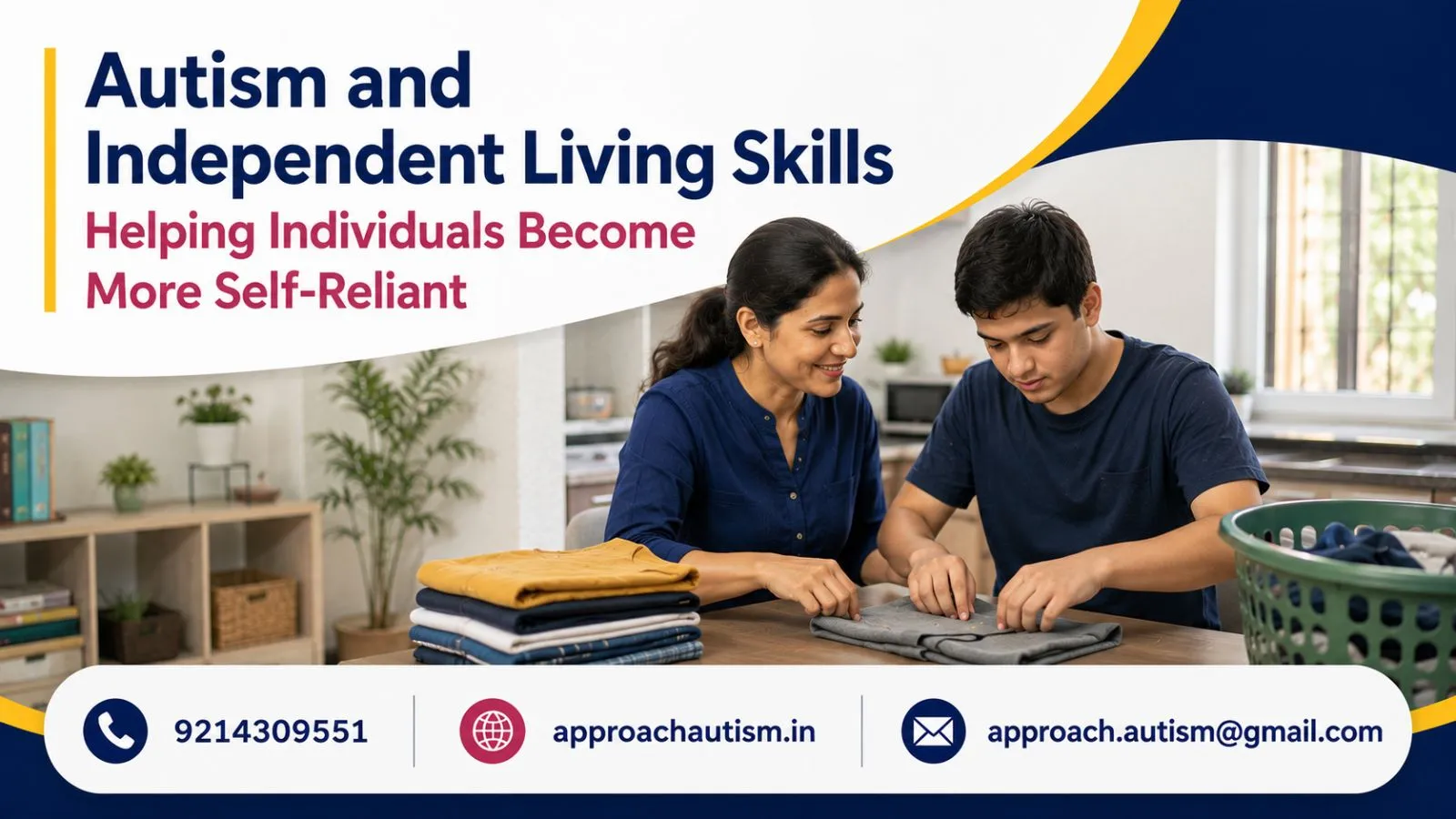
Household activities provide further opportunities to practise skills. Individuals can start by putting away toys, folding clothes or clearing a table. Later, they may learn to prepare simple meals or organise their personal space.
Visual schedules, written lists and timers can make routines easier to follow. However, these tools should suit the individual. Some people prefer pictures, while others find written instructions more useful.
Communication, Safety and Decision-Making
Independent living involves more than completing physical tasks. It also requires making choices, solving problems and knowing when to seek help.
Individuals can practise these skills through everyday situations. For example, they might choose what to wear, decide which items to buy or plan what to take on an outing.
Safety skills are equally important. Teaching can cover road safety, personal boundaries, emergency contacts, safe appliance use and online safety.
Role-play can help individuals practise what to do when they feel lost or need assistance. Families can also teach them how to communicate their needs using speech, writing, pictures or assistive communication tools.
Some individuals may find multi-step tasks, unexpected changes or planning difficult. These challenges do not mean that learning is impossible. Instead, they may indicate a need for clearer instructions, extra practice or a different teaching method.
How Life Skills Training Supports Greater Independence
Practical Learning and Individualised Training
Autism life skills training helps individuals practise useful abilities through structured, everyday activities. Instead of relying only on verbal explanations, trainers can demonstrate each task and provide opportunities to try it.
For example, shopping practice can begin with identifying familiar items. Next, the individual can learn to read prices, follow a shopping list and make a payment. With experience, they may practise these steps in different shops.
Training may cover:
- Personal hygiene and self-care.
- Cooking and household responsibilities.
- Money handling and shopping.
- Time management and organisation.
- Communication and community participation.
- Travel skills and personal safety.
Visual prompts, task breakdowns, demonstrations and repeated practice can make learning more manageable. As skills develop, support can be adjusted gradually. The aim is to encourage self-initiation rather than create unnecessary dependence on constant reminders.
It is also important to practise skills in more than one setting when appropriate. A person who learns a task at a training centre may need support to use the same skill at home or in the community.
Vocational Preparation and Real-World Experiences
For teenagers and adults, daily living skills can connect with education, employment and community participation. Vocational training may help individuals explore their interests and prepare for suitable work opportunities.
Training can include following instructions, completing tasks, managing time and communicating workplace needs. The approach should reflect the person’s strengths and career interests.
Families and professionals can also set meaningful goals together. One person may want to prepare breakfast independently. Another may want to use public transport or manage personal spending.
Progress should be measured against the individual’s own goals. Comparing one person with another can overlook important achievements and differences in support needs.
How Families and Autism Programmes Can Encourage Independence
Helping Parents Build Skills at Home
Parents and caregivers can create learning opportunities during familiar daily activities. Small responsibilities allow individuals to practise without making every task feel like a formal lesson.
For example, a child can choose clothes, put away belongings or help prepare a meal. An older teenager may practise making a shopping list or following a weekly schedule.
The following strategies can help:
- Start small: Choose one practical skill at a time.
- Show each step: Demonstrate the task before asking the individual to try.
- Use helpful prompts: Provide pictures, checklists or verbal reminders when needed.
- Allow enough time: Avoid taking over a task simply because it takes longer.
- Adjust support: Reduce prompts when the person can manage more steps.
- Recognise progress: Celebrate meaningful achievements without creating pressure.
Consistency matters, but flexibility is also important. If a routine becomes difficult, identify the barrier and adjust the task or environment. Sensory needs, fatigue, anxiety and unclear instructions can all affect participation.
Preparing for Adulthood With the Right Support
Planning for adulthood can begin early. Families can identify practical skills that match the individual’s interests and future preferences. These may include personal care, travel, money management, further education or employment.
Structured programmes can provide additional opportunities to practise these skills. For example, an autism support organisation may help families explore suitable services and guidance based on individual needs.
The right support should encourage dignity, choice and participation. It should also recognise that independence can look different at every stage of life.
Some individuals may live independently, while others may prefer shared or supported living. Both options can offer meaningful lives when the person’s preferences and support needs guide planning.
Ultimately, independent living skills are not about meeting a single standard. They are about helping each individual develop useful abilities, make decisions and take part in everyday life as fully as possible.
With patient teaching, practical opportunities and appropriate support, small achievements can become valuable steps towards greater self-reliance.